
In today’s digital era, the evolution of payment methods is changing rapidly. As an important tool for daily consumption and financial transactions, bank cards are also constantly evolving and innovating in form. Virtual cards and physical cards are two different types of products in the field of bank cards, each playing a unique role in people’s lives and economic activities. Although both possess basic financial functions such as payment and transfer, there are significant differences between them in many aspects. A deep understanding of the differences between virtual cards and physical cards can help us choose a more suitable payment tool according to our own needs and usage scenarios, so as to better enjoy the convenience brought by financial services. This article will conduct a detailed comparative analysis of virtual cards and physical cards from multiple dimensions to reveal the essential differences between them.
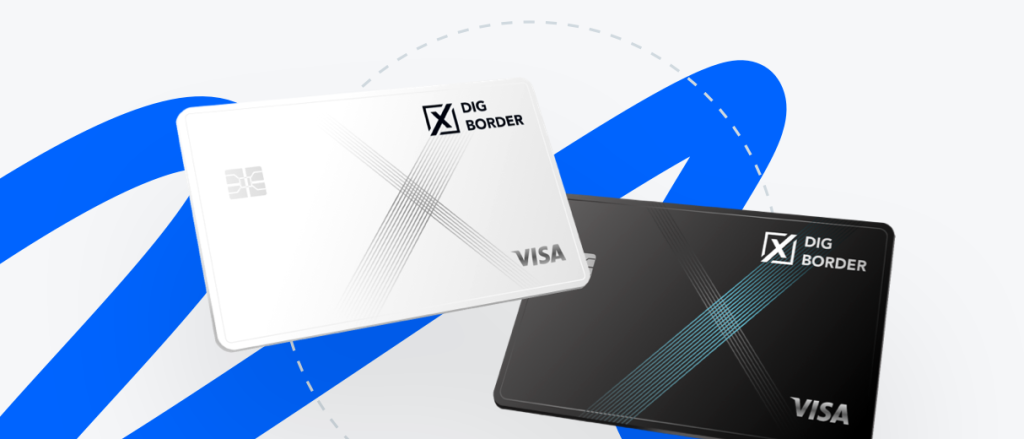
I. Definition and Form
(I) Virtual Cards
A virtual card is a bank card product without a physical card. It exists in the form of electronic data and is usually associated with electronic accounts such as mobile banking and third – party payment platforms of users. Users can apply for and manage virtual cards through channels such as mobile applications and online banking without having to go to a bank branch to receive a physical card. Key information such as the card number, expiration date, and security code of a virtual card is displayed in digital form on electronic devices. When making a payment, users only need to enter this information to complete the transaction. The emergence of virtual cards has broken the dependence of traditional physical cards on physical cards, greatly improving the convenience and flexibility of payment.
(II) Physical Cards
Physical cards, on the other hand, are the common form of bank cards in our daily lives. They are cards with a physical form issued by banks or other financial institutions, usually made of plastic materials, with the cardholder’s name, card number, expiration date, bank logo, and other information printed on the surface. Users need to go to a bank branch in person to go through the application procedures for physical cards. After the bank approves the application, they can receive the physical card. When using a physical card for payment, users need to insert the card into physical devices such as POS machines and ATMs, or complete the transaction by swiping or waving the card. Physical cards have the characteristics of being intuitive and tangible. For a long time in the past, they were the main tools for people to conduct financial transactions.
II. Application and Activation Methods
(I) Virtual Cards
The application process for virtual cards is relatively simple and quick. Generally, users only need to log in to mobile banking or the official website of the relevant financial institution and follow the prompts to fill in personal information, complete identity verification, and other steps to complete the virtual card application online. The entire application process does not require filling out cumbersome paper forms or submitting a large number of supporting materials. Usually, the application can be completed within a few minutes, and users can obtain the relevant information of the virtual card. In terms of activation, the activation method of virtual cards is also very convenient. After the application is successful, the system will automatically activate the virtual card, or users only need to follow the prompts to perform simple operations, such as setting a transaction password and confirming identity information, to complete the activation and can use the virtual card for transactions at any time.
(II) Physical Cards
In contrast, the application process for physical cards is more complicated. Users need to bring their valid identity documents to a bank branch, fill out paper application forms, and submit relevant supporting materials, such as work certificates and income certificates (which may vary according to the requirements of different banks and card types). Bank staff will review the user’s application materials, and the review time usually takes several working days or even longer. After the review is passed, the bank will produce a physical card and deliver it to the user by mail or by notifying the user to pick it up at the branch. When activating a physical card, users need to follow the bank’s requirements to perform activation operations through methods such as calling the customer service hotline, logging in to online banking, or going to the bank branch, setting transaction passwords, inquiry passwords, and other information. Only after the activation is completed can the card be used normally.
III. Usage Scenarios and Convenience
(I) Virtual Cards
Virtual cards have a wide range of usage scenarios, especially suitable for online consumption and mobile payment scenarios. When conducting online transactions such as online shopping, online hotel reservations, and purchasing air tickets, users only need to enter the card number, expiration date, security code, and other information of the virtual card on the payment page to quickly complete the payment without having to carry a physical card, which is very convenient. In addition, virtual cards also support flash payments on some devices with NFC functions, such as mobile phone flash payments and smartwatch flash payments. Users only need to bring their mobile phones or smartwatches close to the POS machine to complete the payment without taking out the physical card for swiping operations, further improving the convenience of payment. Virtual cards can also be bound to third – party payment platforms, such as Alipay and WeChat Pay. When users use third – party payment platforms for payment, they can choose to use virtual cards for payment, expanding the scope of use of virtual cards.
(II) Physical Cards
The usage scenarios of physical cards are mainly concentrated in physical store consumption and offline financial transactions. When shopping in physical stores, users can complete the payment by inserting the physical card into a POS machine for swiping, or by waving or using flash payment. When conducting offline financial transactions, such as withdrawals, deposits, and transfers, users need to insert the physical card into devices such as ATMs and bank self – service terminals for operations. Although physical cards can also be used for online payments, the operation process requires entering card information, which is relatively less convenient than virtual cards. In addition, physical cards need to be carried with you. Once the card is lost or stolen, it may bring certain risks and inconveniences to users.
IV. Security
(I) Virtual Cards
The security of virtual cards is relatively high to a certain extent. Since virtual cards do not have physical cards, there is no risk of the card being lost or fraudulently swiped. At the same time, virtual cards usually adopt a variety of security technologies, such as encrypted transmission, dynamic verification codes, fingerprint recognition, facial recognition, etc., to ensure the security of users’ transactions. When making a payment, users need to enter the correct card number, expiration date, security code, and other information, and may also need to undergo identity verification, such as entering a dynamic verification code or fingerprint recognition. Only after the verification is passed can the transaction be completed. In addition, virtual cards can also set transaction limits, consumption reminders, and other functions. Users can set the maximum limit for daily or per – transaction amounts according to their own needs. Once the transaction amount exceeds the limit, the system will automatically issue a reminder, effectively preventing the risk of fraudulent swiping.
(II) Physical Cards
The security of physical cards is relatively low, mainly facing risks such as card loss and fraudulent swiping. If a physical card is accidentally lost or stolen, others may use the card for fraudulent swiping, causing economic losses to users. To reduce the risk, users need to report the loss of the card in a timely manner, but there may still be a risk of fraudulent swiping during the period before the loss is reported. In addition, the information of physical cards may be copied. Criminals can obtain the user’s card information by installing card readers and other devices on POS machines and then make counterfeit cards for fraudulent swiping. Although banks have also taken some security measures, such as chip encryption and SMS reminders, the security issues of physical cards are still the focus of attention for users.
V. Management and Maintenance
(I) Virtual Cards
The management and maintenance of virtual cards are very convenient. Users can manage virtual cards anytime and anywhere through channels such as mobile banking and online banking, such as querying transaction records, setting transaction limits, changing passwords, reporting loss and unblocking, etc. When the card expiration date is approaching, the system will automatically remind the user and provide card renewal services for the user. Users do not need to go to a bank branch to go through the relevant procedures. In addition, virtual cards can also be temporarily frozen or cancelled according to the user’s needs, and the operation is simple and quick.
(II) Physical Cards
The management and maintenance of physical cards are relatively cumbersome. If users need to query transaction records, change passwords, and other operations, they usually need to go to a bank branch or handle them by calling the customer service hotline. When the card is damaged or lost, users need to go to a bank branch to go through the procedures for replacing the card or reporting the loss, fill out relevant forms, and submit identity certificates and other materials. The handling process is relatively complicated. In addition, the validity period of physical cards is generally several years. After the expiration date, users need to go to a bank branch to go through the procedures for replacing the card and receive a new physical card.
VI. Fees and Costs
(I) Virtual Cards
The fees for virtual cards are relatively low. Since virtual cards do not have the costs of physical card production and mailing, banks usually do not charge annual fees, card – making fees, and other fees when issuing virtual cards. Some banks also provide some preferential activities for virtual card users, such as reducing or waiving handling fees and cashback, further reducing the user’s usage costs. In addition, the management and maintenance costs of virtual cards are also relatively low. Banks can manage virtual cards through electronic channels, reducing the input of manpower and material resources.
(II) Physical Cards
The fees for physical cards are relatively high. When issuing physical cards, banks usually charge annual fees, card – making fees, and other fees, and the charging standards may vary for different banks and card types. In addition, when using physical cards for transactions, some handling fees may also be incurred, such as cross – bank withdrawal handling fees and overseas transaction handling fees. The production and mailing of physical cards also require certain costs, and these costs will ultimately be passed on to users. At the same time, banks also need to invest a lot of manpower and material resources in the management and maintenance of physical cards, such as branch operations and customer service support, and these costs will also affect the fees of physical cards.
VII. Suitable User Groups
(I) Virtual Cards
Virtual cards are suitable for people who often engage in online consumption and mobile payment, as well as users who have high requirements for payment convenience and security. For example, the younger generation of consumers, who are accustomed to using mobile phones for shopping and payment operations, can have their needs met by the convenience and flexibility of virtual cards. In addition, virtual cards are also suitable for people who often travel on business or travel. They don’t need to worry about the risk of losing or having their physical cards stolen. They can complete payment operations just on their mobile phones.
(II) Physical Cards
Physical cards are suitable for people who are used to traditional payment methods, have a dependence on physical cards, and some users who are not familiar with electronic payment operations. For example, the elderly may be more inclined to use physical cards for payment. They feel that physical cards are more intuitive and reliable. In addition, some corporate users may also be more inclined to use physical cards when conducting large – value transactions and offline business activities, because the transaction records of physical cards are clearer and more traceable.
VIII. Development Trends
(I) Virtual Cards
With the continuous development and popularization of digital technology, the application prospects of virtual cards are very broad. In the future, virtual cards will be further combined with emerging technologies such as artificial intelligence and blockchain to enhance their security and functions. For example, through artificial intelligence technology, real – time monitoring and risk early warning of users’ transaction behavior can be achieved, and abnormal transactions can be detected in a timely manner to ensure the security of users’ funds. Through blockchain technology, decentralized storage and non – tampering of transaction information can be achieved, improving the transparency and credibility of transactions. In addition, virtual cards will also be integrated with more industries and scenarios, such as medical care, education, transportation, etc., to provide users with more convenient and efficient payment services.
(II) Physical Cards
Although virtual cards are developing rapidly, physical cards will not be completely replaced. In some specific scenarios, physical cards still have an irreplaceable role. For example, in areas without network coverage, physical cards are still the main tools for financial transactions. In addition, some users’ emotional dependence on physical cards and traditional payment habits will not change in a short time. In the future, physical cards will continue to undergo technological upgrades and innovations to improve their security and convenience. For example, more advanced chip technologies will be adopted to improve the anti – counterfeiting performance of cards; contactless payment functions will be added to make payment more convenient.
In conclusion, although both virtual cards and physical cards belong to the category of bank cards, there are many differences between them in terms of definition, application and activation methods, usage scenarios, security, management and maintenance, fees and costs, suitable user groups, and development trends. Virtual cards occupy an important position in the field of digital payment with their convenience, flexibility, and high security; while physical cards still play an important role in traditional payment scenarios with their intuitive and tangible characteristics. When choosing to use a virtual card or a physical card, users should comprehensively consider their actual needs, usage habits, and consumption scenarios to select the most suitable payment tool. It is believed that with the continuous progress of financial technology, virtual cards and physical cards will continue to develop and improve in their respective fields, bringing more convenience and choices to people’s lives and economic activities.